Discarded Responsible Removal Service (formerly Discarded Junk Removal) is committed to helping homeowners and businesses declutter responsibly across New Haven County and Fairfield County, Connecticut — and beyond. This guide explains how smart e‑waste handling and responsible bookkeeping turn tangled cords into real financial and environmental value. Read on for practical steps, accounting tips, and what to expect when you choose a local junk removal business that puts sustainability first.
Why E‑Waste Matters Now
- E‑waste is growing fast. Old TVs, computers, printers, and chargers contain recoverable metals and hazardous materials that must be handled properly.
- Improper disposal is costly. Tossing electronics into general trash risks fines, environmental harm, and lost recovery value.
- Sustainability is a business advantage. Customers and partners increasingly prefer companies that demonstrate responsible recycling and transparent expense tracking.
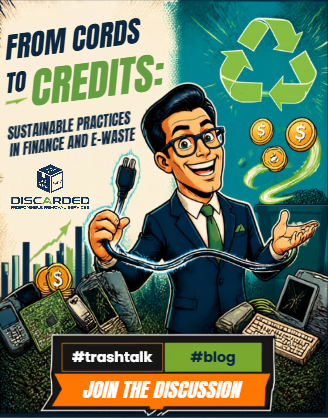
The Big Idea: From Cords to Credits
Turning e‑waste into financial benefit requires two parallel tracks:
- Responsible recycling and disposal to protect the environment and comply with regulations.
- Accurate accounting and bookkeeping so recovered value and disposal costs are tracked, reported, and optimized.
When both are done right, you reduce liability, recover value where possible, and create clean, auditable records for tax and budgeting purposes.
How Accounting and Bookkeeping Meet E‑Waste
Responsible expense tracking transforms a messy pile of electronics into clear financial entries:
- Record disposal costs as operating expenses. Capture invoices from your junk removal provider (like Discarded Responsible Removal Service) and tag them to the correct GL accounts.
- Track recovered credits separately. If a recycler pays for certain components or offers rebates, record those as income or contra‑expense to show net disposal cost.
- Document chain of custody. Keep receipts, manifests, and certificates of recycling to support compliance and audits.
- Use consistent categories. Create standard bookkeeping categories: E‑Waste Disposal, Recycling Credits, Hazardous Waste Fees, and Asset Retirement.
- Coordinate with your accountant. Some e‑waste costs may be deductible; recovered credits may affect taxable income. Ask your CPA how to treat these items for your business.
Practical bookkeeping tip: Use a single vendor code for your junk removal partner and attach scanned manifests to each invoice in your accounting system. That makes month‑end reconciliation fast and defensible.
What Responsible Junk Removal Looks Like
When you hire Discarded Responsible Removal Service, you should expect:
- On‑site assessment and transparent pricing. We identify hazardous items and separate e‑waste from general junk.
- Secure handling of sensitive devices. We follow best practices for data‑bearing devices and can recommend certified data destruction if needed.
- Certified recycling partners. We work with licensed recyclers who provide documentation and, when applicable, credits for recoverable materials.
- Clear paperwork for accounting. Every job includes an itemized invoice and recycling receipts so your bookkeeping stays clean.
- Local service with regional reach. While rooted in New Haven County and Fairfield County, Connecticut, we serve nearby areas and can coordinate pickups beyond county lines.
How Customers Benefit Financially
- Lower net disposal costs. Recycling credits can offset removal fees.
- Tax clarity. Proper documentation helps your accountant apply deductions correctly.
- Reduced liability. Certified recycling reduces regulatory risk and potential fines.
- Improved ESG profile. Demonstrating sustainable disposal supports grant applications, bids, and customer trust.
Step‑by‑Step: What to Do Before Removal Day
- Inventory electronics. List devices and note any that may contain sensitive data.
- Separate e‑waste from general junk. Keep cords, batteries, and electronics together.
- Ask for documentation. Request recycling receipts and manifests from your junk removal provider.
- Share invoices with your bookkeeper. Tag them with the correct expense categories.
- Consider data destruction. For computers and storage devices, arrange certified wiping or physical destruction.
Frequently Asked Questions
Q: Can I get paid for old electronics?
A: Some items have salvage value. We work with recyclers who may offer credits for certain components. Credits are recorded separately and applied to your invoice or issued as payment.
Q: How do you handle hazardous components like batteries?
A: We separate and route hazardous components to licensed facilities that follow state and federal rules.
Q: Will I get paperwork for my records?
A: Yes. Every job includes an itemized invoice and recycling documentation suitable for accounting and audits.
Q: Do you serve outside New Haven and Fairfield County?
A: Yes. While we focus on New Haven County and Fairfield County, Connecticut, we also serve neighboring areas including Westchester County and beyond.
Why Choose Discarded Responsible Removal Service
- Local expertise in Connecticut neighborhoods and businesses.
- Transparent pricing and clear documentation for your accounting team.
- Sustainability first — we prioritize recycling and certified disposal.
- Full service from pickup to paperwork, including e‑waste and general junk removal.
Final Thoughts
E‑waste is more than clutter — it’s a responsibility and an opportunity. With the right partner and disciplined bookkeeping, you can protect the environment, reduce costs, and even recover value. Discarded Responsible Removal Service helps you do all three: declutter responsibly, document thoroughly, and move from cords to credits.
0 Comments